
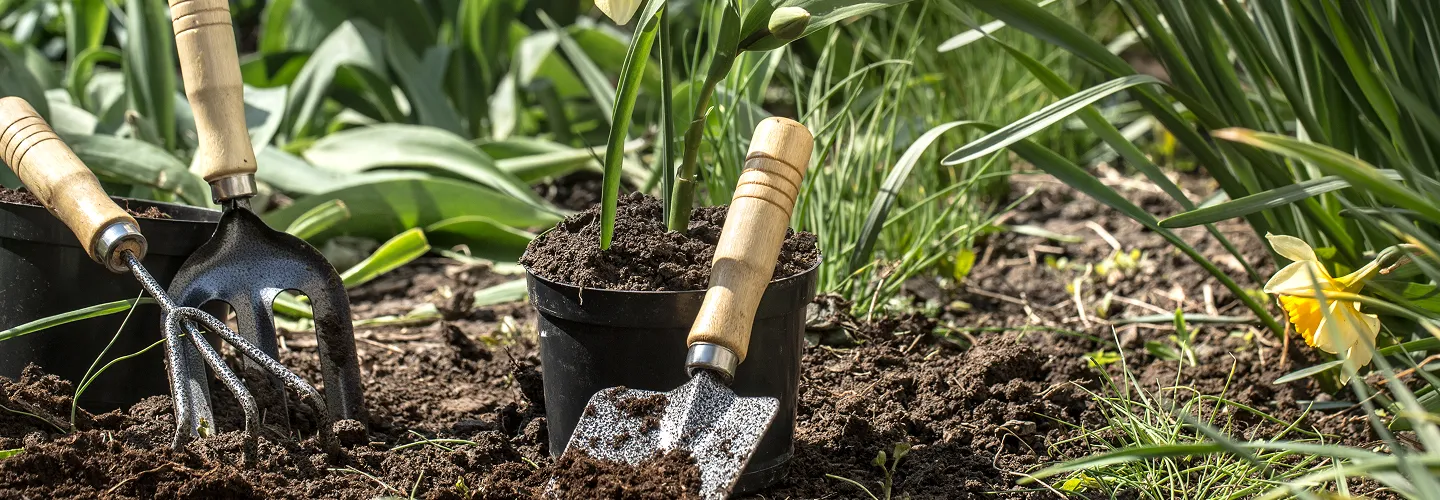
Little Compton Flower Planting Services
Choose our flower planting services for vibrant, healthy blooms that enhance your home's beauty and curb appeal—our experienced team ensures every garden thrives with personalized care and attention.
Get a Free QuoteOur Little Compton Landscaping & Yard Care Services
When to Schedule Flower Planting in Little Compton, Rhode Island – Seasonal Guide
In Little Compton, Rhode Island, the best time to schedule flower planting is typically in late spring, after the last frost has passed, or in early fall when soil temperatures remain warm but the risk of drought is lower. The region’s coastal climate, influenced by proximity to the Sakonnet River and the Atlantic, means that frost dates can vary—residents in neighborhoods near South Shore Beach or around the Commons may notice slightly different microclimates. Monitoring local weather patterns is essential, as unexpected cold snaps or periods of high humidity can impact both planting success and flower longevity.
Local environmental factors such as sandy, well-draining soils, common in areas like West Main Road, and the prevalence of mature shade trees in historic districts, play a significant role in determining the optimal planting window. It’s also important to consider municipal guidelines and any water use restrictions, which can be found through resources like the Town of Sudbury’s website, to ensure compliance and sustainability.
Local Factors to Consider for Flower Planting in Little Compton
- Proximity to the coast and risk of late spring frosts
- Soil type (sandy, loamy, or clay) and drainage capacity
- Tree density and available sunlight in your yard
- Typical precipitation patterns and drought risk
- Humidity levels, especially in shaded or low-lying areas
- Terrain and elevation, which can affect microclimates
- Local municipal restrictions on planting or watering
Benefits of Flower Planting in Little Compton
Expert Local Knowledge
Customized Plant Selection
Enhanced Curb Appeal
Seasonal Color Variety
Eco-Friendly Landscaping
Professional Maintenance Services
Little Compton Flower Planting Types

Perennial Flower Beds
-
Annual Flower Displays
-
Native Wildflower Gardens
-
Pollinator-Friendly Plantings
-
Shade Garden Flowers
-
Cut Flower Gardens
-
Seasonal Bulb Plantings
Our Flower Planting Process
Site Evaluation
Soil Preparation
Plant Selection
Careful Planting
Watering and Mulching
Why Choose Little Compton Landscape Services
-
Little Compton Homeowners Trust Us
-
Expert Lawn Maintenance
-
Reliable Seasonal Cleanups
-
Professional Team
-
Competitive Pricing
-
Personalized Service
-
Satisfaction Guarantee
Understanding Little Compton’s Coastal Soils and Their Impact on Flower Planting
Little Compton’s landscape is defined by glacial till soils, including Bridgehampton silt loam and Newport loam, which are moderately acidic (pH 5.5-6.5) and often poorly drained, especially in low-lying areas. These conditions require careful site assessment before flower planting. Soil testing is recommended through the University of Rhode Island Cooperative Extension (typical test fee: $15-25) to determine pH and organic matter content. For optimal results, incorporate 2-3 inches of compost tilled to a 6-inch depth and apply lime if pH is below 6.0. Drainage improvements, such as raised beds, are advised in areas with a seasonal water table at 12-18 inches. Research local soil series using the USDA Web Soil Survey to guide amendment strategies. Compliance with wetland buffer requirements—typically a 25-foot no-disturbance zone—is enforced under local ordinances.
Little Compton RI Department of Public Works
40 Commons, Little Compton, RI 02837
Phone: (401) 635-9590
Official Website: Little Compton RI Department of Public Works
Seasonal Timing and Weather Considerations for Flower Planting in Little Compton
Little Compton is located in USDA Hardiness Zone 6b-7a, with average last frost dates in late April and first frost in late October. The optimal window for planting hardy annuals and perennials is April 15 to May 30, when soil temperatures reach 50-65°F. Fall planting of bulbs and perennials is best from September 1 to October 15, before soil temperatures drop below 50°F. Avoid planting during June-August due to heat stress and potential drought. Monitor local weather forecasts through the National Weather Service - Boston/Norton Office for frost advisories and rainfall patterns. For irrigation planning, consider that Little Compton receives an average of 45 inches of precipitation annually, but sandy soils in coastal areas may require supplemental watering during dry spells. Mulch flower beds with 2-3 inches of organic material to conserve moisture and moderate soil temperature.
Municipal Regulations and Permit Requirements for Flower Planting Projects
Flower planting in Little Compton must comply with local zoning, setback, and wetland protection ordinances. Planting within 25 feet of wetlands or water bodies is prohibited without a permit, and a 50-foot setback from property lines may apply in certain districts. For projects involving significant soil disturbance or installation of permanent structures (e.g., retaining walls, large raised beds), a permit is required from the Building Inspection Department. Application fees typically range from $25 to $75, with a review period of 5-10 business days. Equipment operation is permitted:
- Monday-Friday: 7:00 AM - 7:00 PM
- Saturday: 8:00 AM - 6:00 PM
- Sunday and holidays: Prohibited Noise levels must not exceed 85 decibels at property lines. Review Little Compton Town Ordinances for full regulatory details.
Little Compton RI Building Inspection Department
40 Commons, Little Compton, RI 02837
Phone: (401) 635-8384
Official Website: Little Compton RI Building Inspection Department
Environmental Compliance: Wetland Buffers and Stormwater Management in Little Compton
Flower planting near Little Compton’s wetlands, streams, and conservation areas is regulated under the Rhode Island Environmental Rights Act and the town’s MS4 stormwater permit. Maintain a minimum 25-foot no-disturbance buffer from all wetlands and a 50-foot setback from major water bodies. The Rhode Island Department of Environmental Management enforces these standards to protect water quality and prevent nutrient runoff. The use of fertilizers and pesticides is prohibited within 50 feet of water bodies. All plant debris must be collected and disposed of according to municipal guidelines to prevent clogging of storm drains. For guidance on buffer zones and stormwater compliance, consult the EPA Region 1 office and local ordinances. Mulching and the use of native species are recommended to reduce runoff and support pollinator habitats.
Selecting Native and Deer-Resistant Flower Species for Little Compton Gardens
Given Little Compton’s coastal climate and deer population, plant selection should prioritize native and deer-resistant species. Recommended native perennials include:
- Black-eyed Susan (Rudbeckia hirta)
- Wild bergamot (Monarda fistulosa)
- Joe Pye weed (Eutrochium purpureum)
- Cardinal flower (Lobelia cardinalis) For deer resistance, consider:
- Lavender (Lavandula angustifolia)
- Russian sage (Perovskia atriplicifolia)
- Salvia (Salvia nemorosa)
- Coneflower (Echinacea purpurea) Plant spacing should be 12-18 inches for perennials and 6-8 inches for annuals to ensure air circulation and reduce disease risk. For shaded sites, coral bells (Heuchera spp.) and astilbe (Astilbe spp.) are suitable. Consult the University of Rhode Island Cooperative Extension for additional plant recommendations and pest management strategies.
What Neighborhoods Do We Serve Throughout Little Compton, RI?
- Adamsville: Features well-drained sandy loam soils and proximity to the West Branch of the Westport River, requiring attention to wetland buffer regulations and periodic deer browsing.
- Sakonnet Point: Coastal exposure and salt spray influence plant selection; sandy soils and wind require salt-tolerant, drought-resistant species and windbreaks for flower beds.
- The Commons: Historic district with compacted soils and mature trees; planting often requires soil amendment and compliance with local preservation guidelines.
- Warren’s Point: Elevated lots with rocky soils and excellent drainage; irrigation may be necessary during dry periods, and native species are recommended for erosion control.
- South Shore Beach Area: Proximity to conservation lands and wetlands; strict enforcement of buffer zones and stormwater management practices is required.
- Old Main Road Corridor: Mix of residential and agricultural properties; larger lots allow for extensive flower beds, but attention to property line setbacks and equipment access is necessary.
- Long Highway: Rural character with variable soil types and occasional flooding; raised beds and soil testing are advised to address drainage and pH variability.